Bare Spots in Lawn? Here's How to Reseed Them
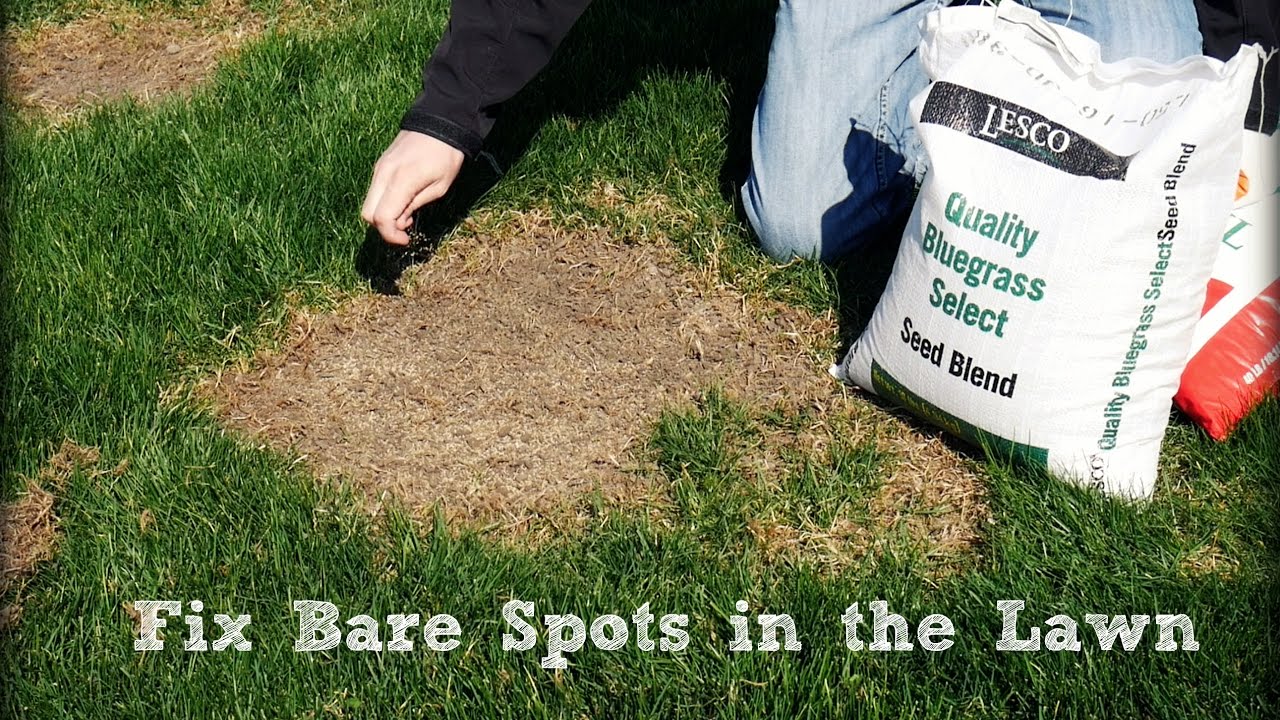
Understanding Bare Spots in Your Lawn
Bare spots in a Northeast lawn often result from winter salt damage near sidewalks, snow mold after prolonged snow cover, dog urine, heavy foot traffic compacting soil, or grubs eating roots. Kentucky Bluegrass and Fine Fescue are particularly susceptible to thinning if the soil becomes compacted or remains soggy. Learning how to reseed bare spots in lawn areas can restore your lawn's lush appearance.
Step-by-Step Guide to Reseeding
Here’s what to do: prep the soil, seed the right variety, and keep it evenly moist until it fills in.
- Rake out the dead area with a stiff rake until you see loose soil. You should feel the rake grab, not glide. If it feels like concrete, it’s compacted.
- Loosen the top 1–2 inches of soil with a hand cultivator. When it’s right, it crumbles like coffee grounds, not clods.
- Add a thin layer of fresh soil (about 1/2 inch). Use Scotts Turf Builder Lawn Soil. Level it with the back of the rake.
- Apply seed: for your region use Scotts Turf Builder Grass Seed Kentucky Bluegrass Mix or Pennington Smart Seed Northeast Mix (fine fescue blend). Sprinkle evenly until the ground is about 50 percent covered, not buried.
- Press seed into soil by stepping lightly or using a tamper. You want seed-to-soil contact. If it sits on top, birds win.
- Topdress lightly with peat moss or more lawn soil. Just dust it so you can still see some seed.
- Water gently 2–3 times a day for 10–14 days. Keep it consistently damp like a wrung-out sponge. Not puddled. If you hear splashing, you’re overdoing it.
- First mow when grass reaches about 3 inches. Use a sharp blade. Dull blades tear seedlings and you’ll see white frayed tips.

📺 Watch: How to How To Reseed Bare Spots In Lawn
🎥 How to seed BARE SPOTS in your LAWN — by The Lawn Whisperer (6:56)
Cost Comparison
| Option | DIY Cost | Professional Cost |
|---|---|---|
| DIY Reseeding | $30–$80 | N/A |
| Professional Service | N/A | $150–$400 |
Not sure what's wrong?
Describe your problem to homemd.ai for a free diagnosis.
Get Your Free DiagnosisProduct Recommendations
- Scotts Turf Builder Grass Seed Kentucky Bluegrass Mix
- Scotts Turf Builder Lawn Soil
- Miracle-Gro Sphagnum Peat Moss
When to Call a Professional
If the bare spots keep returning across multiple areas, especially with spongy soil or easy-to-pull grass, it may indicate grubs or disease needing treatment. In such cases, consulting a professional is advisable.
FAQs
How long until it fills in?
Kentucky Bluegrass takes 14–30 days to germinate and spreads slowly. Fine fescue pops in 7–14 days and fills faster.
Can I just throw seed down without prep?
You can, but it usually fails. Seed sitting on hard soil dries out. You want that slight “pressed in” feel.
Should I fertilize right away?
Use a starter fertilizer like Scotts Turf Builder Starter Food at seeding. Skip heavy feeding later until after first mow.
By following these steps and tips, you can effectively address bare spots in your lawn and enjoy a lush, green landscape. Remember, proper preparation and maintenance are key to successful reseeding.
Related Guides
Best AI Home Repair Tools in 2026: A Comparison and the Gap Most Tools MissBest AI Home Repair Tools in 2026 (Compared)Prepare Your Garden for Spring PlantingHow to Refresh Patio Furniture for SpringNot sure which parts to buy?
Describe or photo your problem. HomeMD.ai tells you the exact Home Depot products you need — with prices.
Find My Parts Free