Crawl Space Insulation: Repair or Replace?
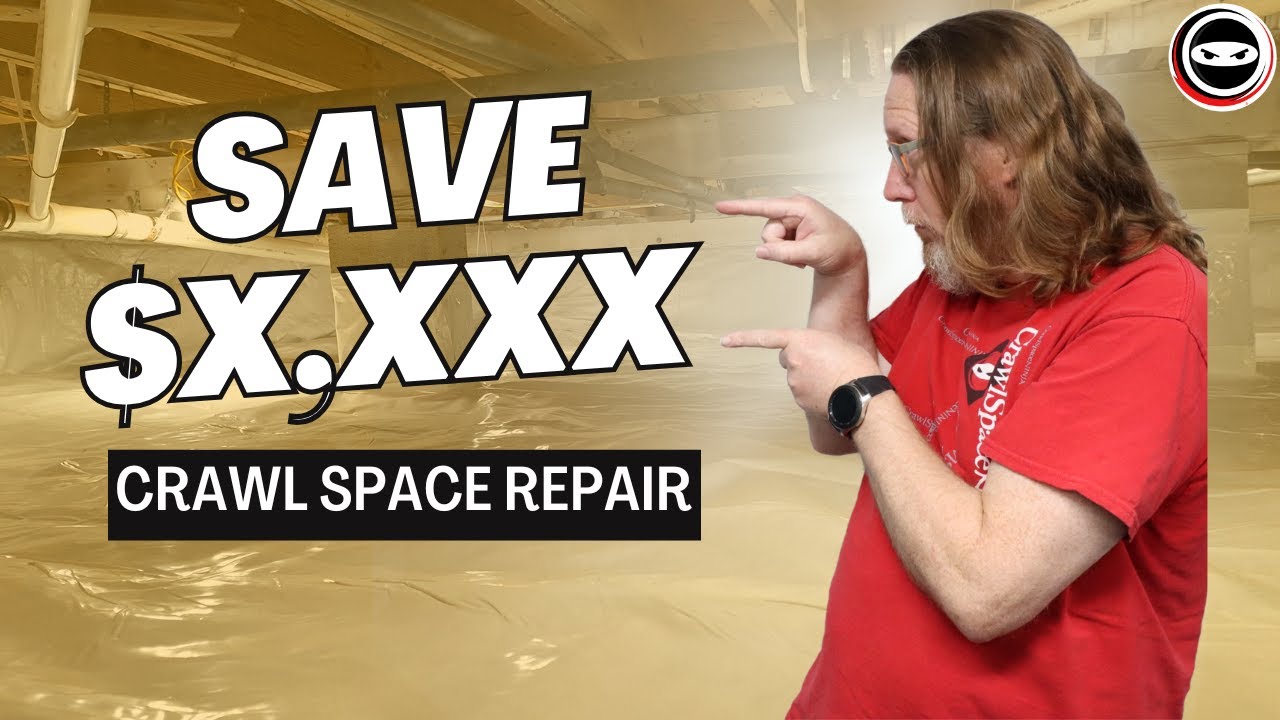
Understanding When to Repair vs Replace: Old Crawl Space Insulation
Deciding between repair vs replace: old crawl space insulation can be challenging. If your insulation is relatively new, dry, and repairs cost less than half of a full replacement, repairing is often the best choice. However, if you notice sagging, musty odors, mold, or if repair costs exceed 50% of new installation, replacement is advisable. Insulation's reliability decreases significantly after prolonged exposure to moisture or compression.
5 Point Decision Checklist
- Moisture exposure: Damp insulation with an earthy smell or dark spots has likely lost its R-value and may harbor mold. Dry, fluffy insulation can often be repaired.
- Coverage gaps: Small missing sections can be patched, but widespread sagging indicates failure.
- Age: Fiberglass batts over 15 years old tend to compress and lose effectiveness.
- Pest activity: Nesting or tunneling necessitates replacement, as contaminated insulation cannot be reliably cleaned.
- Cost comparison: If repair costs approach half the price of full replacement, consider starting fresh.
📺 Watch: How to Repair Vs Replace: Old Crawl Space Insulation
🎥 Insulating Vented Crawl Spaces — by johnsmanvillevideos (2:14)
Repair Cost vs Replacement Cost
| Option | Cost Range | Details |
|---|---|---|
| Repair | $150 to $600 | Reattaching batts, adding support rods, replacing damaged sections. Consider Owens Corning R-19 Kraft Faced Fiberglass Insulation Batts or Everbilt insulation support rods. |
| Full Replacement | $1,200 to $3,500 | Depends on size and upgrades like Owens Corning FOAMULAR XPS or encapsulated systems. |
Expected Remaining Life After Repair
A well-executed repair on otherwise dry insulation can extend its life by 3 to 7 years. However, if moisture or poor ventilation was the original issue, expect the problem to recur unless the root cause is addressed. Consider related home repair topics like improving ventilation or addressing moisture barriers to prevent future issues.

Energy Efficiency Gains with New Insulation
Upgrading to modern insulation materials can significantly improve energy efficiency. Newer materials maintain their shape and resist moisture better. Transitioning from compressed R-13 batts to properly installed R-19 or rigid foam can reduce heat loss by 15 to 25 percent during colder months, resulting in warmer floors and fewer drafts. Spray foam or foam board also provides air sealing, which fiberglass alone cannot achieve.
Not sure what's wrong?
Describe your problem to homemd.ai for a free diagnosis.
Get Your Free DiagnosisWarning Signs Replacement Cannot Be Delayed
- Insulation is falling in multiple bays and feels heavy or damp.
- Musty or sour smell upon entering the crawl space.
- Visible mold spotting or rodent droppings.
- Cold floors above, even when the heat is running.
- Wood joists show dark staining or condensation, indicating ongoing moisture issues.
FAQs
Are we planning to stay in this house long enough to justify a full upgrade?
Consider the long-term benefits of energy savings and comfort if you plan to stay for several years.
Do we want a quick fix now or lower energy bills over the next 5 to 10 years?
Weigh the immediate costs against potential savings and comfort improvements.
Is there a moisture problem we need to solve first before spending money on insulation?
Addressing moisture issues is crucial to ensure the longevity and effectiveness of new insulation.
Related Guides
How to Patch a Hole in Drywall (Beginner-Friendly Guide)Crack in Wall: When to Worry and When It's Just CosmeticWet Basement? How to Stop Water From Getting InHow to Repair a Broken Fence PostNot sure which parts to buy?
Describe or photo your problem. HomeMD.ai tells you the exact Home Depot products you need — with prices.
Find My Parts Free