Virginia Bathroom Fan Code: 2026 Requirements Explained

Understanding Virginia Building Code Requirements
The current building code adopted in Virginia for bathroom exhaust fans is the 2018 Virginia Uniform Statewide Building Code (VA USBC), effective September 4, 2021. A common question from homeowners is whether bathroom fans must vent directly to the exterior, which is crucial for preventing mold and moisture issues. This requirement is part of the code to ensure proper ventilation and is similar to regulations for other systems like water heaters and HVAC units.
Code Sections and Differences
The specific sections applicable to bathroom exhaust fans are found in Chapter 15 of the IRC 2015, as amended by the 2018 VA USBC. Ventilation systems must terminate outside the building (IRC M1505). This is a continuation of the previous code, which also prohibited venting into attics, preventing mold growth.
📺 Watch: How to Virginia Building Code Bathroom Exhaust Fan Requirements
🎥 KITCHEN EXHAUST FAN INSTALLATION TIPS AND CODE REQUIREMENTS | DIY — by Building Code Tips (16:29)
Permit Requirements and DIY
A permit may be required if you're installing new ductwork or electrical wiring for the fan. The fee for permits can vary by county, typically ranging from $50 to $150. DIY work is generally allowed if it's a like-for-like replacement and involves no new wiring or structural modifications. However, check with your local permitting office for specifics, as regulations can differ by city or county. This is similar to other home repairs, such as installing new plumbing pipes or electrical outlets.
Not sure what's wrong?
Describe your problem to homemd.ai for a free diagnosis.
Get Your Free DiagnosisCost Comparison
| Service | Cost Range |
|---|---|
| Permit Fee | $50 - $150 |
| Professional Installation | $200 - $500 |
| DIY Installation | $80 - $200 |
Step-by-Step Installation Guide
Replacing a bathroom exhaust fan can be a straightforward DIY project if you follow the right steps. Here's a quick guide:
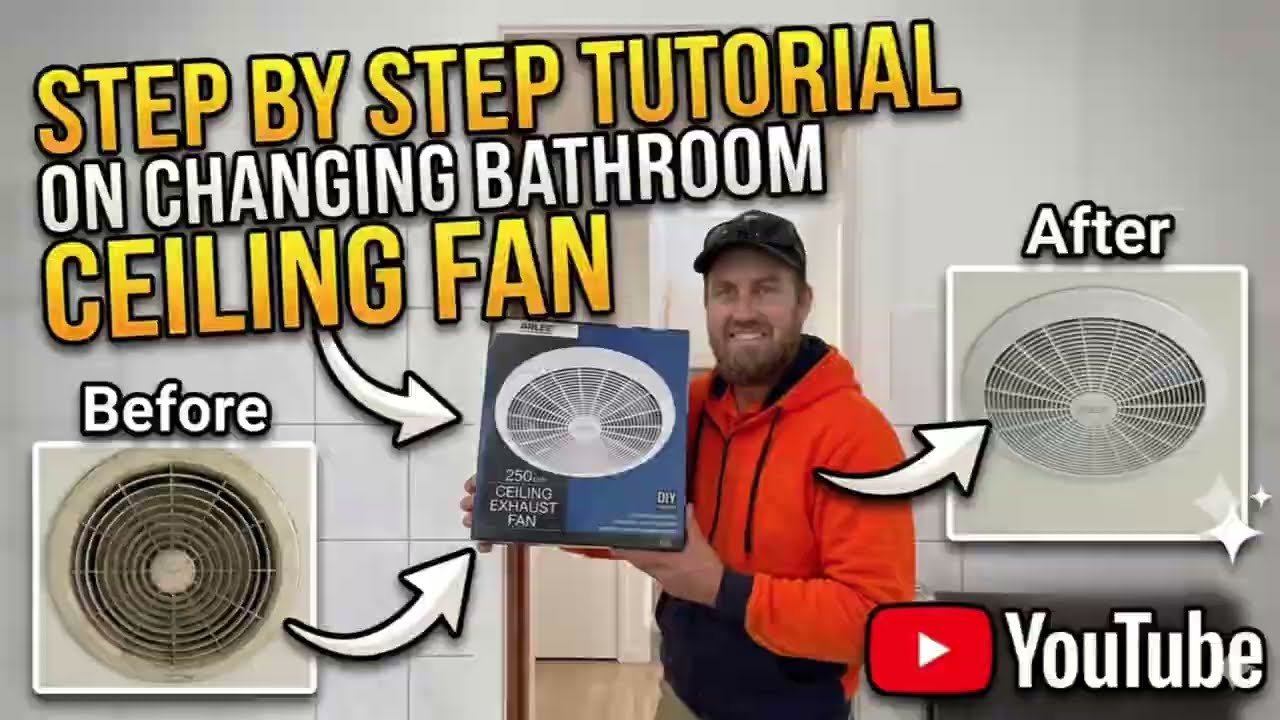
- Turn off the power to the existing fan at the circuit breaker.
- Remove the old fan cover and disconnect the wiring.
- Take out the old fan unit from the ceiling.
- Install the new fan unit, ensuring it fits securely in the existing space.
- Connect the wiring and attach the new fan cover.
- Turn the power back on and test the new fan.
Product Recommendations
When selecting a new bathroom exhaust fan, consider models like the Broan NuTone 80 CFM Ceiling Exhaust Bath Fan or the Delta Breez GreenBuilder 80 CFM. These options ensure compliance with the Virginia building code and provide efficient ventilation.
Do I need to upgrade my existing fan to meet the current code?
Not unless you're renovating or replacing the system. Current installations are generally grandfathered in.
Can I vent the bathroom fan into the attic or soffit?
No, it must vent directly to the building's exterior.
How high should the fan be installed on the wall?
The fan should usually be installed near the ceiling for effective moisture removal, following the manufacturer's installation instructions.
What size fan do I need for a small bathroom?
Generally, you need at least 1 CFM per square foot of bathroom area, with a minimum of 50 CFM for any bathroom.
It's always best to verify these details with your local building department as Virginia's code amendments and interpretations can vary by locality. If you're considering a bathroom exhaust fan upgrade, products like "Broan NuTone 80 CFM Ceiling Exhaust Bath Fan" or the "Delta Breez GreenBuilder 80 CFM" are good options to ensure compliance and efficiency.
🛍️ Tap "Find at Home Depot" below for live SKUs, current prices, and stock at your nearest store.
Related Guides
Illinois Electrical Permits: 2026 Homeowner GuideGeorgia Basement Codes: 2026 Rules ExplainedCalifornia Electrical Codes: DIY Rules for 2026New Jersey NEC 2026: Adoption Date & Key ChangesNot sure which parts to buy?
Describe or photo your problem. HomeMD.ai tells you the exact Home Depot products you need — with prices.
Find My Parts Free