Vinyl Siding: Repair or Replace in 2026?
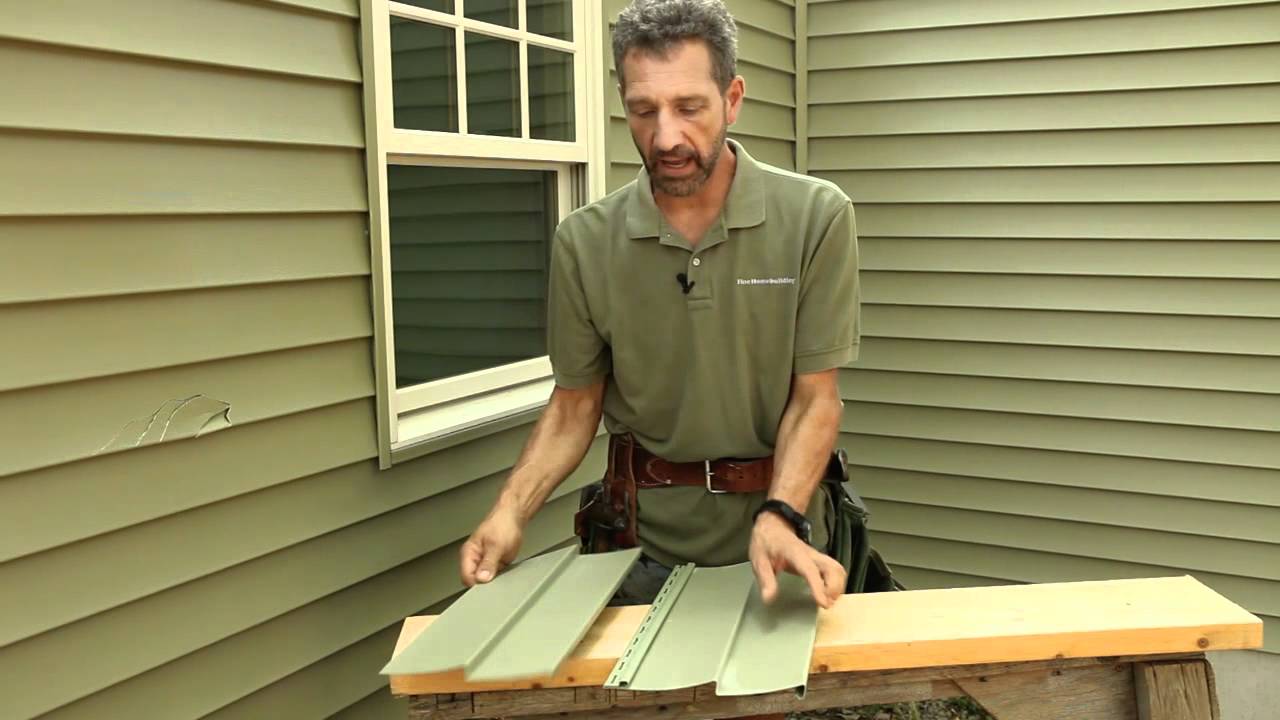
Understanding When to Replace Vinyl Siding Instead of Patching
Deciding when to replace vinyl siding instead of patching can be a challenging decision for homeowners. If your siding is less than 20 years old and only a few panels are damaged, patching is usually the smart move. However, if the siding is brittle, color-faded beyond matching, or repair costs approach half the cost of new siding, replacement becomes the more reliable long-term choice.
5-Point Decision Checklist
- Age of Siding: Under 20 years is often still flexible and repairable. Over 25 years tends to crack when handled and won’t hold new fasteners well.
- Extent of Damage: One wall or a few panels favors repair. Multiple elevations, widespread warping, or storm peppering points to replacement.
- Color Match: If sun fade is obvious, new panels will look like a patchwork quilt.
- Water Intrusion: Any signs of sheathing rot or mold behind the siding push you toward replacement so you can fix the substrate.
- Cost Ratio: If repair quotes hit 50% or more of a full reside, replacement wins on durability and resale value.
📺 Watch: How to When To Replace Vinyl Siding Instead Of Patching
🎥 How To Replace One Piece Of Vinyl Siding (Mid-Wall) — by HouseImprovements (8:21)
Repair vs Replacement Cost
| Type | DIY Cost | Hired Cost |
|---|---|---|
| Small Repair | $150–$600 | $300–$1,200 |
| Moderate Repair | $800–$2,500 | $800–$2,500 |
| Full Replacement | N/A | $10,000–$25,000 |
Step-by-Step Guide to Patching Vinyl Siding
Patching vinyl siding can be a straightforward DIY project if you have the right tools and materials. Here's a step-by-step guide to help you through the process:

- Gather your materials: siding zip tool, replacement panels, nails, and a hammer.
- Use the siding zip tool to unlock the damaged panel from the one above it.
- Remove the nails securing the damaged panel and carefully take it off.
- Cut the replacement panel to size, if necessary, and slide it into place.
- Secure the new panel with nails, ensuring they are not too tight to allow for expansion.
- Lock the panel above back into place using the siding zip tool.
Not sure what's wrong?
Describe your problem to homemd.ai for a free diagnosis.
Get Your Free DiagnosisProduct Recommendations
For a successful siding repair, consider using these highly recommended products:
- Siding Zip Tool - Essential for unlocking and locking siding panels.
- Replacement Vinyl Siding Panels - Available in various colors and sizes.
- Vinyl Siding Nails - Ensure proper fastening without over-tightening.
Energy Efficiency Gains with New Siding
While standard vinyl siding is primarily cosmetic, adding insulated backing or continuous foam board can significantly improve energy efficiency. In a humid continental Northeast climate, this can enhance wall R-value by about R-2 to R-5, resulting in steadier indoor temperatures and reduced AC cycling during summer.
Warning Signs You Should Not Delay Replacement
Certain signs indicate that replacing your siding should not be delayed:
- Panels rattle in moderate wind due to elongated nailing hem holes.
- Cracks radiate from nail slots, indicating brittleness.
- Bulging or rippling across large areas suggests fastening failure or heat distortion.
- Chalky residue on your hand when rubbing the surface indicates advanced UV breakdown.
- Soft sheathing near seams or a musty smell when panels are removed suggests underlying issues.
FAQs
Will a repair be obvious from the street, or can we live with the color mismatch?
Color mismatch may be noticeable, especially if the siding is significantly faded. Consider this when deciding between repair and replacement.
Are we fixing this twice if we repair now and replace in a few years?
If the siding is nearing the end of its life, a repair might be a temporary solution, leading to eventual replacement.
Does new siding improve comfort and lower bills enough to matter?
New siding with added insulation can improve energy efficiency, leading to more comfortable indoor temperatures and potentially lower energy bills.
Related Guides
How to Patch a Hole in Drywall (Beginner-Friendly Guide)Crack in Wall: When to Worry and When It's Just CosmeticWet Basement? How to Stop Water From Getting InHow to Repair a Broken Fence PostNot sure which parts to buy?
Describe or photo your problem. HomeMD.ai tells you the exact Home Depot products you need — with prices.
Find My Parts Free